

Should I Replace My Gutters: Signs to Look For This Winter
December 1, 2025
•
Written By
Roofscape
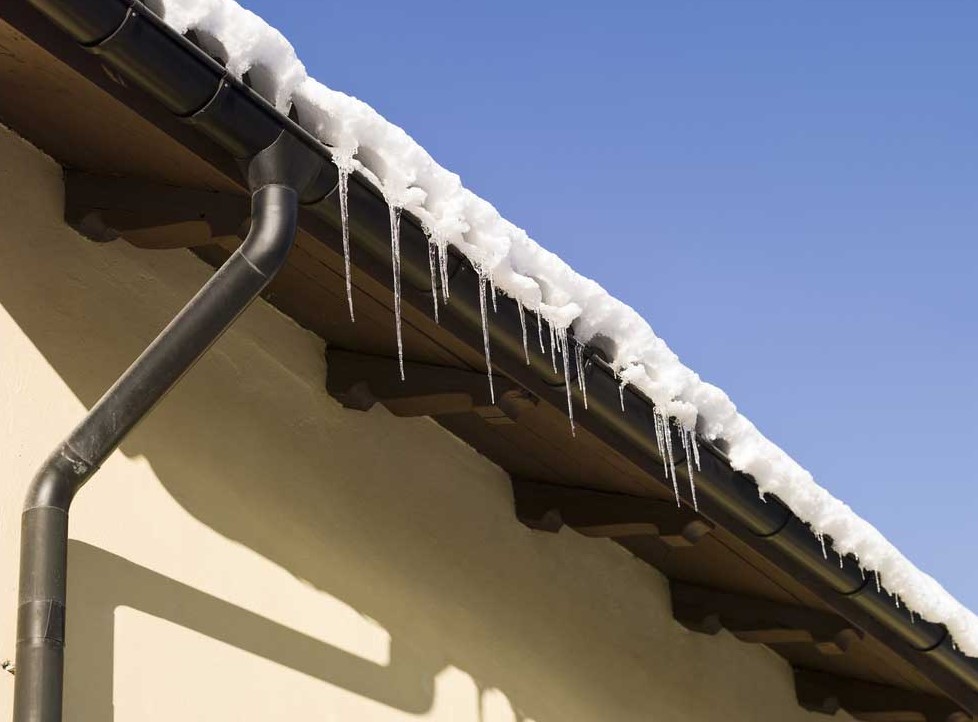
Winter has a way of revealing problems your home has been quietly hiding. Gutters are a perfect example. They work hard year-round, but cold temperatures, ice, and heavy rain can push aging systems past their breaking point. If you’ve been wondering whether your gutters are still doing their job—or silently setting you up for costly damage—you’re not alone.
This guide walks through the most common winter warning signs, what they actually mean, and when replacement makes more sense than another patch job. The goal is simple: help you protect your home before small gutter issues turn into big, expensive repairs.
Key Takeaways to Keep in Mind
- Winter weather makes gutter problems easier to spot and harder to ignore
- Ice, sagging, leaks, and water damage are often signs replacement is overdue
- Old or poorly sized gutters can cause foundation, siding, and roof issues
- Proactive replacement often costs less than emergency repairs later
Why Does Winter Put Gutters to the Test?
How does cold weather expose hidden gutter problems?
Winter adds stress in all the wrong ways. Freezing temperatures cause metal to contract, ice adds weight, and melting snow sends water rushing through your system. Gutters that were “good enough” in fall often fail when ice dams form or fasteners loosen.
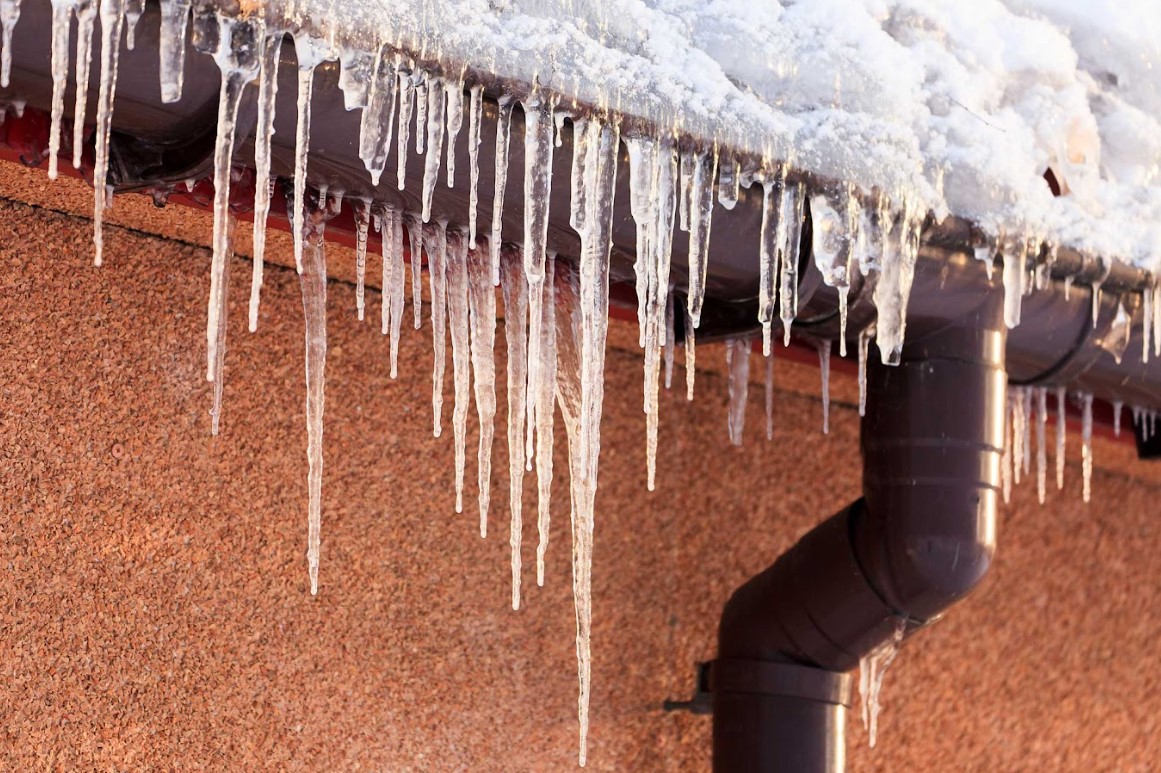
If your gutters are already aging, poorly installed, or clogged, winter tends to bring those flaws front and center. Overflowing water, icicles hanging from the edges, or visible separation from the roofline are all signals that your system may be reaching the end of its lifespan.
Are Sagging or Pulling Gutters a Red Flag?
What does sagging mean for your gutter system?
Gutters should sit snug against your home, maintaining a consistent slope toward the downspouts. When they sag or pull away, it usually means the fasteners are failing—or the gutter itself is bending under weight.
Winter makes this worse. Ice and packed snow can turn gutters into anchors, stressing brackets and fascia boards. If sections look uneven or dip in the middle, repairs may only buy you time. In many cases, sagging is a sign that replacement is the safer, longer-term solution.
Do Cracks, Splits, or Rust Mean It’s Time to Replace?
Why do small cracks turn into big winter problems?
Hairline cracks and small splits might not seem urgent, but winter freeze-thaw cycles can force them open. Water seeps in, freezes, expands, and suddenly that tiny flaw becomes a leak you can’t ignore.
Rust is another warning sign. Once corrosion sets in, the metal weakens from the inside out. If you’re seeing rust spots, flaking metal, or recurring leaks in multiple areas, replacement is often more cost-effective than chasing repairs all season long.
Is Water Overflowing or Pooling Around Your Home?
How does poor drainage affect your foundation and roof?
Gutters exist to move water away from your home—when they fail, water goes exactly where you don’t want it. Overflow during winter rains or snowmelt can lead to pooling near the foundation, icy walkways, and water intrusion in basements or crawl spaces.
Watch for these common warning signs:
- Water spilling over gutter edges during light rain
- Puddles forming near the foundation
- Staining or erosion around the base of your home
- Icicles forming in unusual places
These issues often point to undersized, damaged, or improperly pitched gutters that need more than a quick cleanout.
Are Ice Dams Telling You Something About Your Gutters?
What role do gutters play in ice dam formation?
Ice dams are often blamed on insulation or roof ventilation, but failing gutters can make the problem worse. When gutters don’t drain properly, melting snow refreezes at the edges, building layers of ice that trap water on your roof.
If ice dams return year after year despite maintenance, your gutters may not be designed to handle winter runoff effectively. Modern systems with proper sizing and placement can help reduce ice buildup and protect your roofline.
Do You Keep Paying for Repairs Every Year?
When does repair stop making financial sense?
A loose bracket here, a leak there—it adds up. If you’re calling for gutter repairs every winter, it may be time to step back and look at the bigger picture. Older systems often fail in multiple places because the materials themselves are worn out.
Replacing gutters can feel like a big step, but it often saves money by eliminating repeat service calls, water damage repairs, and the stress of wondering what will fail next during the next cold snap.
Are Your Gutters Simply Too Old?
How long should gutters realistically last?
Most gutter systems last 20–30 years, depending on material and maintenance. Aluminum can corrode, steel can rust, and older fasteners may not meet today’s standards. If your gutters are approaching that age range, winter is a smart time to evaluate their condition.
Newer systems are designed to handle heavier rainfall, reduce leaks, and improve overall drainage. Sometimes replacement isn’t about visible damage—it’s about preventing the next problem before it starts.
Curious Minds Corner: Winter Gutter Questions Homeowners Ask
Can I wait until spring to replace my gutters?
You can, but winter damage may worsen quickly. Leaks and overflow can cause interior damage before warmer weather arrives.
Will new gutters really make a difference in winter?
Yes. Properly sized and installed gutters improve drainage, reduce ice buildup, and protect your foundation and roofline.
Is gutter replacement disruptive?
Most replacements are completed in a day. A professional crew minimizes disruption while ensuring correct pitch and secure attachment.
Should I replace gutters before selling my home?
Absolutely. New gutters improve curb appeal and signal that the home has been well cared for, especially during inspections.
What Should You Do If You’re Seeing These Signs?
How can a professional assessment help?
Not every issue means full replacement—but guessing can be costly. A professional inspection looks at slope, attachment points, material condition, and drainage performance. From there, you get clear guidance on whether repairs will hold or replacement is the smarter move.
Bringing It All Home: Protect Your Home Before Winter Does More Damage
Gutters don’t ask for much attention—until they fail. Winter has a way of speeding that process up, especially for older or struggling systems. If you’ve noticed sagging, leaks, ice buildup, or water where it doesn’t belong, your gutters may be sending a clear message.
Rather than waiting for the next storm to confirm your suspicions, take action now. Contact Roofscape in Cummings, GA for expert gutter inspections and replacement services. We’ll help you protect your home, simplify winter maintenance, and head into the cold months with confidence.
Recent Articles

Residential Roofing
How to Repair a TPO Roof: DIY Tips for Flat Roof Fixes
Regular inspection and roof repair are best things to do to extend the life of a TPO roof. When in doubt, a professional assessment costs far less than the water damage that follows a failed repair.
March 27, 2026
.png)
CDX Plywood vs. OSB: What’s Best for Roof Sheathing?
CDX plywood vs. OSB: compare cost, moisture resistance, durability, and performance. Learn which roof sheathing is best for your climate, budget, and long-term roofing needs.
March 26, 2026

Residential Roofing
What Are Roof Scuppers? A Guide to Flat Roof Drainage
Most people have heard of gutters and downspouts. Far fewer have heard of roof scuppers, on a flat roof scuppers might be doing more work to protect your building than any other single component.
March 20, 2026

Rafters vs. Trusses: Which Roof Framing Is Best for Your Build?
Rafters vs. trusses: compare cost, design flexibility, installation speed, and attic space. Learn which roof framing system fits your build, budget, and long-term goals.
March 19, 2026