

Hip Roof vs. Gable Roof: Key Differences for Your Georgia Home’s Design
February 9, 2026
•
Written By
Roofscape
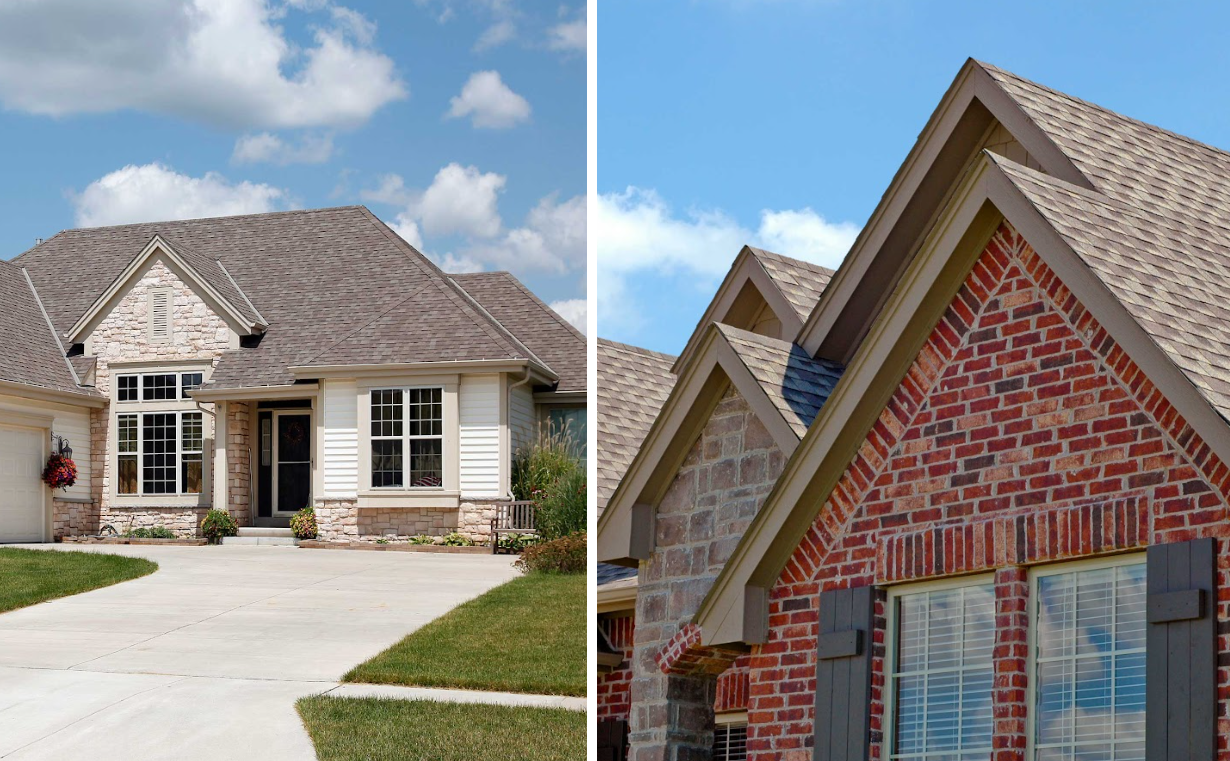
Georgia weather does not play around. One week it is blue skies and porch swings, the next it is sideways rain and wind that tests every nail in your house. When homeowners start thinking about a new roof or a replacement, one big question comes up fast: should you go with a hip roof or a gable roof?
That choice affects more than curb appeal. It shapes how your home handles storms, how long materials last, how much maintenance you face, and even how energy moves through the attic.
Key Takeaways
- Roof shape changes how wind hits your home and how water drains away.
- Hip roofs usually handle high winds better, but gable roofs can cost less to build and repair.
- Attic space, ventilation, and future upgrades depend heavily on the design.
- Installation quality matters just as much as the style you pick.
- Local experience makes the difference between a roof that survives and one that struggles.
What is the Difference Between a Hip Roof and a Gable Roof?
How Do These Roof Styles Actually Look and Function?
Picture a gable roof and you probably see the classic triangle. Two sloping sides meet at a ridge, and the ends are vertical walls. Simple. Familiar. Everywhere.
A hip roof slopes on all four sides. Instead of tall flat ends, every edge angles upward toward the ridge. Think of it like a lid pulled down snug over the house.
That structural difference changes everything from wind resistance to framing complexity.
Gable roofs shed water well and are straightforward to build. Hip roofs, thanks to their inward slopes, tend to be more stable when strong winds roll through Atlanta neighborhoods.
Which Roof Style Stands Up Better to Georgia Storms?
What Happens When Wind and Rain Get Serious?
Let’s talk about the thing homeowners worry about at 2 a.m. during a thunderstorm.
Wind.
Gable roofs can catch gusts like a sail if they are not properly braced. The tall vertical ends create a broad surface area, and uplift pressure can build quickly.
Hip roofs are more aerodynamic. Wind moves over them instead of pushing hard against a flat wall. That often means fewer failures during major weather events.
But design alone does not save a roof. Proper decking attachment, underlayment, flashing, and ventilation play enormous roles. A poorly installed hip roof can fail faster than a well-built gable.
In short, shape helps. Craftsmanship seals the deal.
How Does Each Design Affect Cost?
Where Will You See Differences in Your Budget?
Money talks, so let’s be plain.
Gable roofs usually cost less to frame and install. Fewer slopes mean fewer materials and simpler labor. Repairs later on also tend to be more straightforward.
Hip roofs require more planning, more cuts, and more components. That drives up labor time and material usage.
However, cost is not just what you pay on day one. You also need to consider:
- Potential storm repairs
- Insurance implications
- Long term durability
- Resale appeal
- Energy efficiency opportunities
Sometimes spending more upfront can mean fewer headaches later.
What About Attic Space and Ventilation?
Will One Give You Better Airflow or Storage?
Great question, and one people often forget until they are sweating in August.
Gable roofs typically provide more open attic volume. That can make ventilation strategies easier and may leave room for storage or mechanical systems.
Hip roofs can restrict usable space because the slopes come down on every side. Ventilation must be planned carefully to keep heat and moisture from building up.
In Georgia’s humid climate, airflow is critical. Poor ventilation can shorten shingle life, encourage mold, and raise cooling costs.
Whatever design you lean toward, smart vent placement matters just as much as square footage.
Which Roof Style Lasts Longer in Atlanta Conditions?
Does Shape Really Influence Lifespan?
Yes, but it is not the only factor.
Hip roofs may experience fewer wind-related incidents. That can extend their functional life, especially in neighborhoods exposed to open gusts.
Gable roofs, when properly reinforced, can also perform beautifully for decades.
Longevity usually comes down to:
- Installation quality
- Material selection
- Maintenance habits
- Ventilation performance
- How quickly small problems get fixed
Ignore a minor leak on either style and it will happily grow into a major expense.
How Do Repairs and Maintenance Compare?
What Should Homeowners Expect Over Time?
Gable roofs win for accessibility. Their simpler design can make leak detection and repairs faster.
Hip roofs have more seams and intersections. Those areas are strong when built right, but they give water more places to test the system.
Routine inspections become especially important.
After heavy storms, walking the property and checking for displaced shingles, bent flashing, or clogged valleys can prevent major damage later.
A little attention goes a long way.
Which Option Looks Better for Resale?
What Catches a Buyer’s Eye?
Beauty is personal, but trends exist.
Many buyers love the traditional, symmetrical appearance of a gable roof. It feels familiar and timeless.
Others see hip roofs as more upscale because of their complex lines and solid stance.
In competitive Atlanta markets, buyers also appreciate knowing a roof may handle wind well and has been professionally maintained.
Documentation of inspections and upgrades often matters more than shape.
How Do You Choose the Right Roof for Your Specific Home?
What Should Guide the Final Decision?
Here is where real life steps in.
Your home’s layout, neighborhood exposure, HOA considerations, and future renovation plans all play roles. So does budget.
A good contractor will evaluate structure, decking condition, ventilation paths, and storm history before recommending anything.
Cookie cutter advice does not work. Your house deserves a plan built for it, not for some place three states away.
FAQ's About Hip and Gable Roof
Is One Style Always Safer in Wind?
Hip roofs generally perform better, but proper reinforcement can make a big difference for gables.
Will Insurance Be Cheaper With a Hip Roof?
Sometimes, but carriers weigh many factors including materials and age.
Can I Switch From Gable to Hip?
It is possible, though it often requires structural modifications and careful engineering.
Which is Faster to Install?
Gable roofs usually move quicker because the framing is simpler.
Ready to Feel Confident About Your Roof Decision?
Big choices feel easier when someone walks you through them with clear information and honest recommendations. That is how good work gets done and how homes stay protected year after year.
If you are weighing hip versus gable, planning a replacement, or wondering how your current system will handle the next round of storms, talk with the team at Roofscape. Local knowledge, skilled installation, and straight talk can turn a complicated decision into a solid plan.
Give us a call and let’s figure out what fits your home best.
Recent Articles

Residential Roofing
How to Repair a TPO Roof: DIY Tips for Flat Roof Fixes
Regular inspection and roof repair are best things to do to extend the life of a TPO roof. When in doubt, a professional assessment costs far less than the water damage that follows a failed repair.
March 27, 2026
.png)
CDX Plywood vs. OSB: What’s Best for Roof Sheathing?
CDX plywood vs. OSB: compare cost, moisture resistance, durability, and performance. Learn which roof sheathing is best for your climate, budget, and long-term roofing needs.
March 26, 2026

Residential Roofing
What Are Roof Scuppers? A Guide to Flat Roof Drainage
Most people have heard of gutters and downspouts. Far fewer have heard of roof scuppers, on a flat roof scuppers might be doing more work to protect your building than any other single component.
March 20, 2026
Rafters vs. Trusses: Which Roof Framing Is Best for Your Build?
Rafters vs. trusses: compare cost, design flexibility, installation speed, and attic space. Learn which roof framing system fits your build, budget, and long-term goals.
March 19, 2026