

What Is Gutter Flashing? (Why Your Roof Needs It)
January 12, 2026
•
Written By
Roofscape
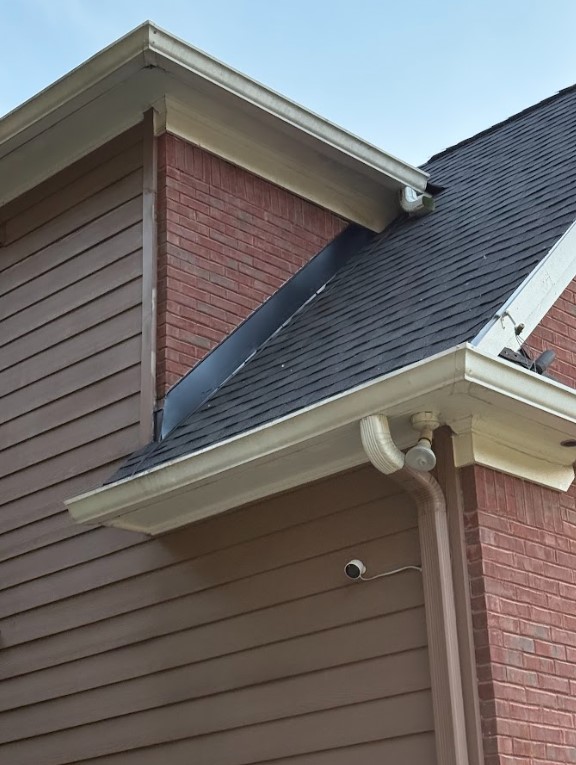
Most homeowners don’t think about gutter flashing until something goes wrong. Water shows up where it doesn’t belong. Paint starts peeling. Wood begins to rot. And suddenly, a small, overlooked detail becomes a costly repair. Gutter flashing may not be flashy, but it plays a quiet, critical role in protecting your roof and your home from water damage.
This guide breaks down what gutter flashing is, why it matters so much in Georgia’s wet climate, how to spot problems early, and when it’s time to bring in a professional before damage spreads.
Key Takeaways Homeowners Should Know
- Gutter flashing directs water away from the roof edge and fascia
- Missing or damaged flashing allows water to slip behind gutters
- Georgia’s heavy rainfall makes proper flashing especially important
- Small flashing failures can lead to rot, mold, and roof damage
- Professional installation ensures long-term protection
What exactly is gutter flashing?
How does it work with your roof and gutters?
Gutter flashing is a thin protective material installed along the edge of your roof, tucked under the shingles and extending into the gutter. Its job is simple but vital. It guides rainwater off the roof and directly into the gutter instead of letting it seep behind the gutter system.
Without flashing, water can roll back under shingles or drip behind the gutter, soaking the fascia board and roof decking. Over time, that moisture causes rot and weakens the structure that holds your gutters and roof together.
Why does gutter flashing matter so much in Georgia?
How heavy rain exposes weak roof edges
Georgia sees above-average rainfall, often in heavy bursts. When rain hits hard or wind pushes it sideways, water doesn’t always flow straight down. Roof edges become vulnerable zones where water looks for shortcuts.
Gutter flashing acts as a barrier and a guide. It keeps water moving where it belongs, even during intense storms. In climates like Atlanta’s, skipping or poorly installing flashing almost guarantees problems down the road.
What happens when gutter flashing is missing or damaged?
Why water damage starts quietly
When flashing is missing, cracked, or improperly installed, water sneaks behind the gutter system. It may not be obvious at first. Damage often begins behind the scenes, soaking wood and insulation long before stains appear inside the home.
Over time, homeowners may notice sagging gutters, peeling paint, soft fascia boards, or leaks along the roof edge. By the time these signs show up, repairs are often more extensive and expensive than replacing flashing early.
How is gutter flashing different from drip edge?
Why the distinction matters for protection
Many homeowners confuse gutter flashing with drip edge, and while they work together, they serve slightly different purposes. Drip edge is installed along roof edges to help water drip away from the roof surface. Gutter flashing specifically ensures that water flows into the gutter instead of behind it.
In many systems, the two overlap or are combined, but proper placement is critical. Incorrect installation can leave gaps that allow water intrusion, even if both components are present.
What are the warning signs of gutter flashing problems?
How to spot trouble before it spreads
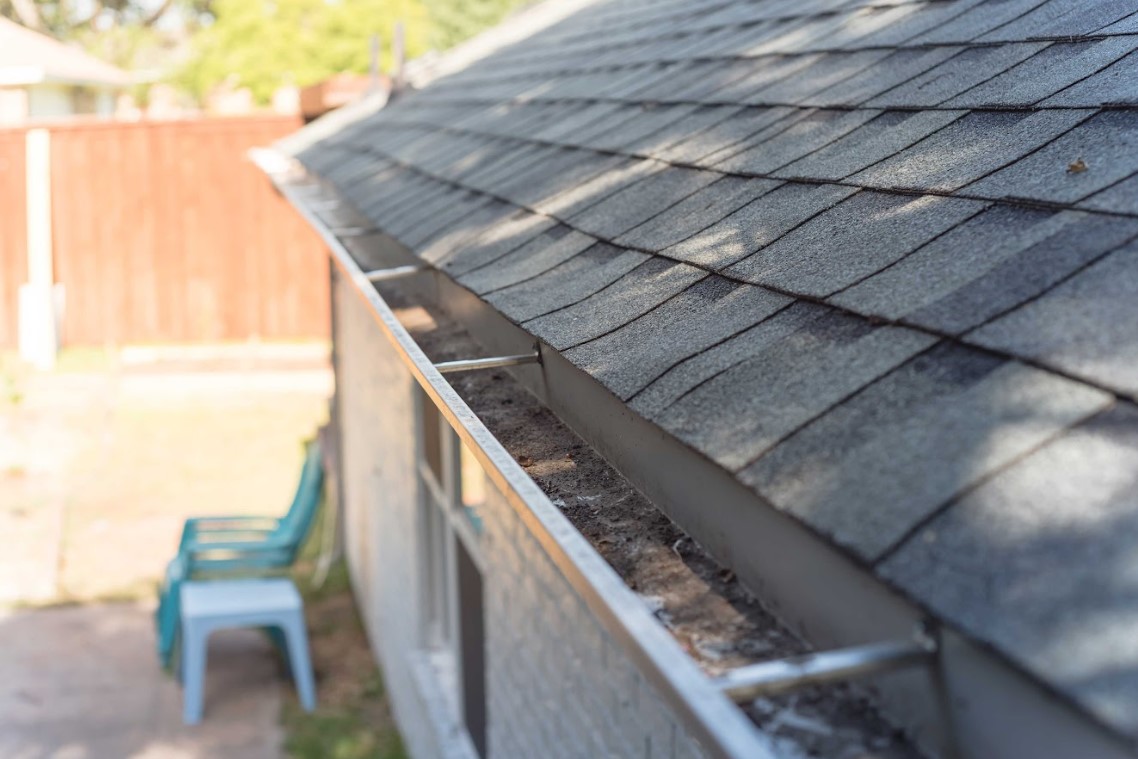
You don’t need to climb onto the roof to notice early signs of flashing failure. Many clues are visible from the ground or during routine exterior checks.
Common warning signs include:
- Water dripping behind gutters during rain
- Peeling paint or staining on fascia boards
- Sagging or pulling gutters
- Soft or rotting wood near the roof edge
- Mold or mildew smells near exterior walls
Catching these signs early can prevent more serious roof and structural damage.
Can damaged gutter flashing cause roof leaks?
Why edge failures lead to bigger problems
Yes, and it happens more often than homeowners realize. When water consistently bypasses the gutter system, it can work its way under shingles at the roof edge. From there, moisture can travel along decking and framing, eventually appearing as interior leaks.
In Georgia’s humid environment, trapped moisture accelerates mold growth and wood decay. What starts as a small flashing issue can compromise sections of the roof if left unaddressed.
Is gutter flashing a DIY-friendly fix?
When professional installation makes the difference
While flashing might look simple, proper installation requires precision. Flashing must be tucked correctly under shingles, angled properly, and integrated with the gutter system without damaging roofing materials.
Improper DIY installation can create gaps, lift shingles, or trap water instead of redirecting it. For most homeowners, professional installation ensures the flashing performs as intended and protects warranties on roofing materials.
How long does gutter flashing last?
What affects its lifespan?
Gutter flashing is built to last, but its lifespan depends on material quality, installation, and exposure to the elements. In Georgia, constant moisture, heat, and storms can shorten the life of poorly installed flashing.
Well-installed flashing can last as long as the roof itself. Regular inspections help catch issues early, especially after severe weather or gutter replacements.
When should gutter flashing be replaced or upgraded?
Why timing matters for cost and protection
Flashing should be inspected during roof replacements, gutter installations, or when signs of water damage appear. Replacing flashing while addressing other exterior work often saves money and prevents repeat labor.
Waiting until wood rot or leaks develop usually increases repair costs and may require fascia or decking replacement in addition to flashing.
What questions do homeowners ask most about gutter flashing?
Clearing up common confusion
This section answers the most frequent questions homeowners have when learning about gutter flashing.
Is gutter flashing required by code?
In many areas, yes. Building codes often require proper edge protection to prevent water damage.
Can new gutters be installed without flashing?
They can, but it’s not recommended. Without flashing, even new gutters may allow water intrusion.
Does flashing work with gutter guards?
Yes. Properly installed flashing complements gutter guards and improves overall water control.
How often should flashing be inspected?
At least once a year and after major storms.
Ready to keep water where it belongs?
Small details make a big difference
Gutter flashing doesn’t get much attention, but it quietly protects some of the most vulnerable parts of your home. In a rainy climate like Atlanta’s, that protection matters more than ever. Addressing flashing issues early helps prevent leaks, rot, and costly repairs down the line.
If you’re unsure whether your roof edge is properly protected, contact Roofscape in Atlanta, GA. Their experienced team understands how Georgia weather impacts roofing systems and can make sure every detail, including gutter flashing, is working exactly as it should.
Recent Articles

Residential Roofing
How to Repair a TPO Roof: DIY Tips for Flat Roof Fixes
Regular inspection and roof repair are best things to do to extend the life of a TPO roof. When in doubt, a professional assessment costs far less than the water damage that follows a failed repair.
March 27, 2026
.png)
CDX Plywood vs. OSB: What’s Best for Roof Sheathing?
CDX plywood vs. OSB: compare cost, moisture resistance, durability, and performance. Learn which roof sheathing is best for your climate, budget, and long-term roofing needs.
March 26, 2026

Residential Roofing
What Are Roof Scuppers? A Guide to Flat Roof Drainage
Most people have heard of gutters and downspouts. Far fewer have heard of roof scuppers, on a flat roof scuppers might be doing more work to protect your building than any other single component.
March 20, 2026

Rafters vs. Trusses: Which Roof Framing Is Best for Your Build?
Rafters vs. trusses: compare cost, design flexibility, installation speed, and attic space. Learn which roof framing system fits your build, budget, and long-term goals.
March 19, 2026