

7 Warning Signs of Roof Damage for Georgia Homeowners (and When to Call a Roofer)
January 8, 2026
•
Written By
Roofscape
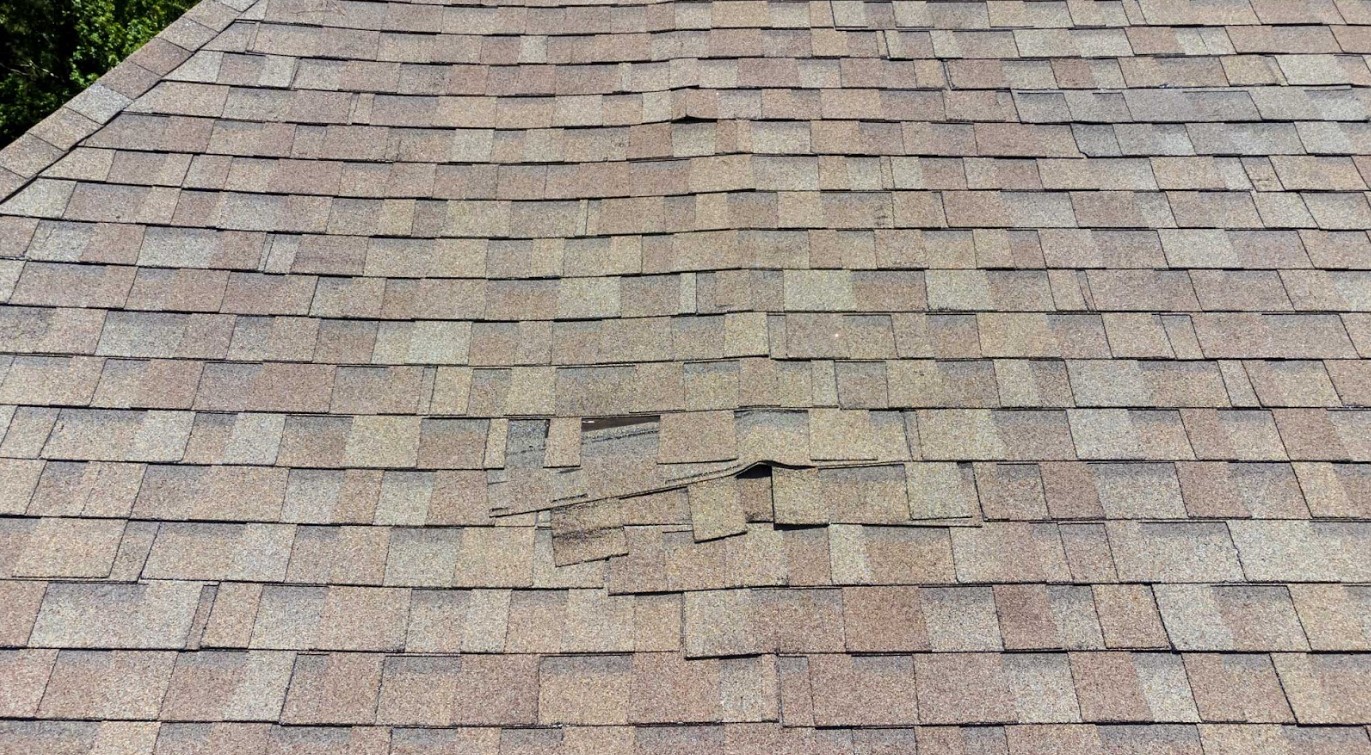
In Georgia, roofs work overtime. Between heavy rain, high humidity, sudden storms, and blazing summer heat, even a well-built roof takes a beating. The tricky part is that roof damage rarely announces itself with a dramatic collapse. It whispers first. A stain here. A shingle there. A smell you can’t quite place.
Knowing the early warning signs of roof damage helps you act before small issues turn into expensive roof repairs. This guide breaks down the most common red flags Georgia homeowners face, what they actually mean, and when calling a professional roofer is the smartest next step.
Key Takeaways for Georgia Homeowners
- Roof damage often starts small and worsens quickly in Georgia’s wet climate
- Interior signs like stains and odors can point to exterior problems
- Shingle and flashing issues are among the most common early warnings
- Waiting too long can lead to mold, rot, and structural damage
- A professional inspection can catch problems before leaks spread
Why does roof damage happen so often in Georgia?
How weather quietly wears roofs down
Georgia’s above average rainfall and humidity create ideal conditions for roof wear. Water moves slowly but persistently, finding weak points in shingles, flashing, and sealants. Heat causes materials to expand and contract, loosening fasteners and breaking down protective layers over time.
Storms accelerate the process. Wind lifts shingles, rain drives moisture sideways, and debris clogs drainage paths. Even newer roofs can develop issues if one small component fails.
What does a ceiling stain really tell you?
Why discoloration is an early warning, not a cosmetic issue
Brown or yellow stains on ceilings or walls are often the first visible sign homeowners notice. These stains mean moisture has already made its way past the roof system and into the home.
Even a small stain suggests ongoing exposure. Water may be traveling along beams or insulation before showing itself, which means the damage is often larger than it looks. Ignoring stains allows moisture to continue spreading behind the scenes.
Why do shingles curl, crack, or disappear?
How surface damage leads to leaks
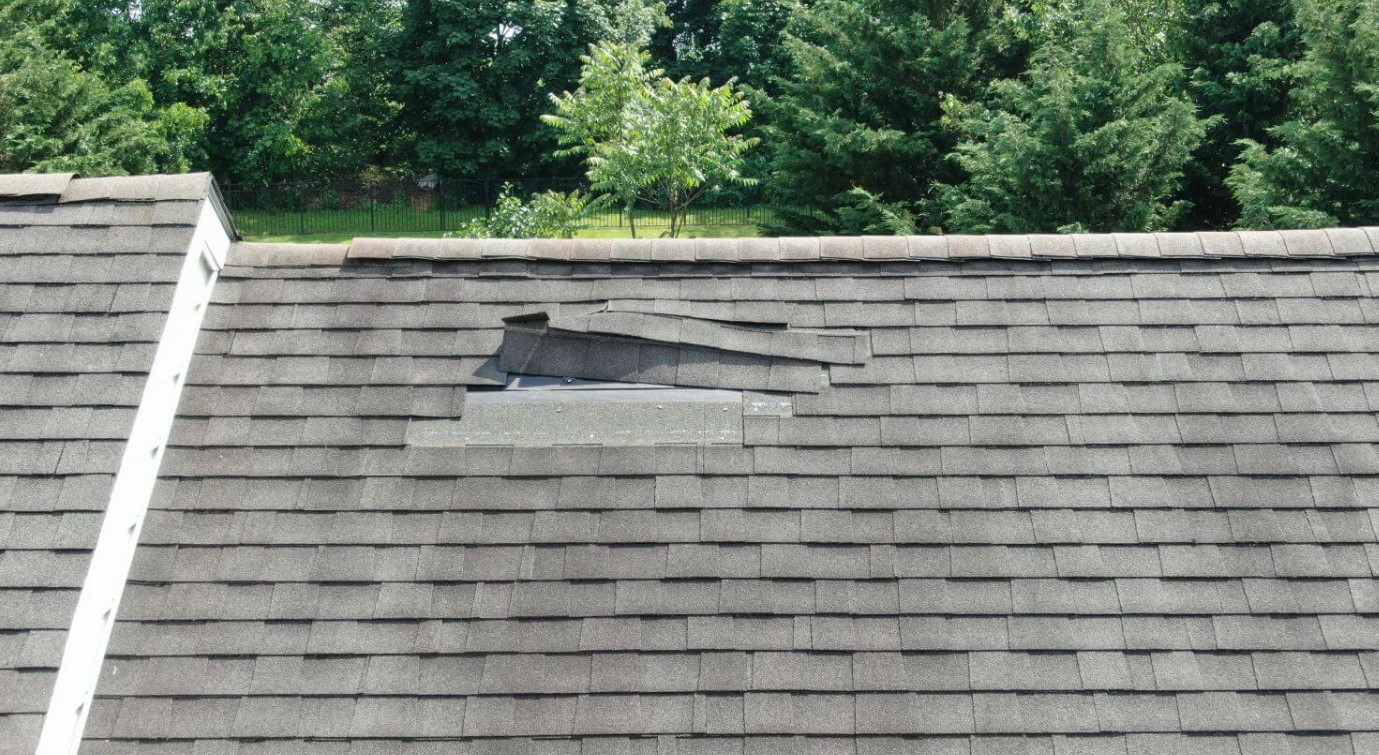
Shingles protect your roof by shedding water. When they curl, crack, blister, or go missing entirely, water no longer flows as intended. Georgia heat speeds up shingle aging, while storms can tear weakened shingles right off the roof.
Missing or damaged shingles create direct entry points for rain. Even one compromised section can allow water to penetrate underlayment and decking, especially during heavy storms.
What does granule loss in gutters mean?
Why shingle grit tells a bigger story
Finding granules in gutters or at the base of downspouts is a sign shingles are breaking down. Granules protect shingles from UV rays and help manage heat. When they wash away, shingles age faster and lose their ability to repel water.
Some granule loss is normal over time, but sudden or heavy accumulation often signals that shingles are nearing the end of their lifespan.
Why does your roof smell musty after rain?
How trapped moisture creates hidden damage
A musty or damp odor in the attic or upper floors is often caused by moisture buildup. This smell usually points to slow leaks, poor ventilation, or saturated insulation.
In Georgia’s humid environment, trapped moisture can quickly lead to mold growth and wood rot. Odors tend to appear before visible damage, making them an important early clue.
What causes flashing to fail around chimneys and vents?
Why roof joints are common leak zones
Flashing seals the gaps where roof planes meet chimneys, skylights, and vent pipes. Over time, flashing can crack, corrode, or pull away from surfaces due to temperature changes and moisture exposure.
When flashing fails, water slips into seams that are difficult to see from the ground. Many persistent leaks originate at these transition points rather than the shingles themselves.
Why does your attic matter when checking roof damage?
What insulation and wood can reveal
The attic often tells the most honest story about roof health. Wet insulation, dark streaks on wood, or visible drips during rain all indicate active leaks.
Georgia homeowners should check attics periodically, especially after major storms. Catching moisture early can prevent widespread damage to ceilings, walls, and framing.
What exterior signs should homeowners watch for?
How to spot trouble without climbing the roof
Not all warning signs require a ladder. From the ground, homeowners can often spot issues such as sagging rooflines, uneven shingle patterns, or debris buildup in valleys.
Here are common exterior clues worth paying attention to:
- Shingles that appear uneven or lifted
- Rooflines that dip or sag
- Debris collecting where roof sections meet
- Visible gaps near chimneys or vents
These signs suggest the roof system is no longer functioning as designed.
When should you stop monitoring and call a roofer?
How to know it’s time for professional help
If you notice multiple warning signs, repeated leaks, or interior damage, it’s time to call a professional. Georgia’s weather makes roof problems escalate quickly, and delays often increase repair costs.
A roofer can safely inspect areas homeowners cannot see, identify hidden damage, and recommend solutions before water causes structural harm.
What questions do Georgia homeowners ask most about roof damage?
Answers when uncertainty sets in
This section covers common concerns homeowners raise when they suspect roof trouble.
Can a small leak really cause major damage?
Yes. Even slow leaks can rot decking, damage insulation, and promote mold growth over time.
Do all roof issues require full replacement?
No. Many problems can be repaired if caught early enough.
How often should roofs be inspected in Georgia?
Annual inspections are recommended, with additional checks after severe storms.
Is mold always visible when roof damage occurs?
No. Mold often grows behind walls or insulation before becoming visible indoors.
Ready to protect your home before the next storm?
Where awareness turns into action
Roof damage rarely waits for a convenient time. The good news is that recognizing the warning signs early gives homeowners the upper hand. Paying attention to subtle changes and acting quickly can save thousands in repairs and protect the comfort of your home.
If you suspect roof damage or want peace of mind after a storm, contact Roofscape in Atlanta, GA. Their experienced team understands Georgia’s weather challenges and knows how to address roof issues before they turn into costly emergencies.
Recent Articles

Residential Roofing
How to Repair a TPO Roof: DIY Tips for Flat Roof Fixes
Regular inspection and roof repair are best things to do to extend the life of a TPO roof. When in doubt, a professional assessment costs far less than the water damage that follows a failed repair.
March 27, 2026
.png)
CDX Plywood vs. OSB: What’s Best for Roof Sheathing?
CDX plywood vs. OSB: compare cost, moisture resistance, durability, and performance. Learn which roof sheathing is best for your climate, budget, and long-term roofing needs.
March 26, 2026

Residential Roofing
What Are Roof Scuppers? A Guide to Flat Roof Drainage
Most people have heard of gutters and downspouts. Far fewer have heard of roof scuppers, on a flat roof scuppers might be doing more work to protect your building than any other single component.
March 20, 2026
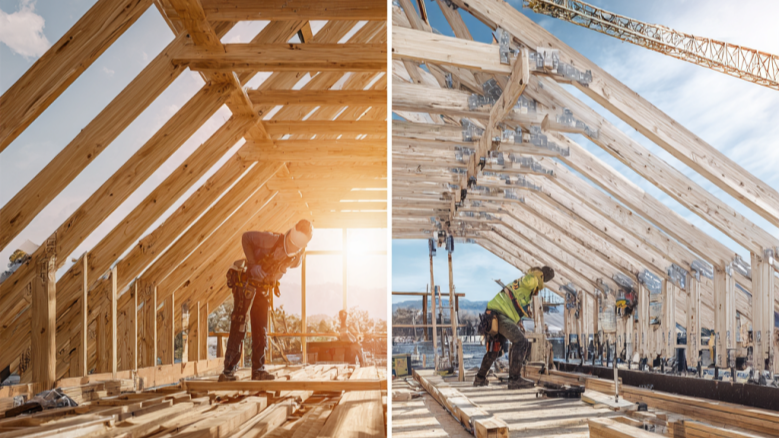
Rafters vs. Trusses: Which Roof Framing Is Best for Your Build?
Rafters vs. trusses: compare cost, design flexibility, installation speed, and attic space. Learn which roof framing system fits your build, budget, and long-term goals.
March 19, 2026