

How to Fix a Leaky Roof (Quick Emergency Repairs in Heavy Rain)
January 2, 2026
•
Written By
Roofscape
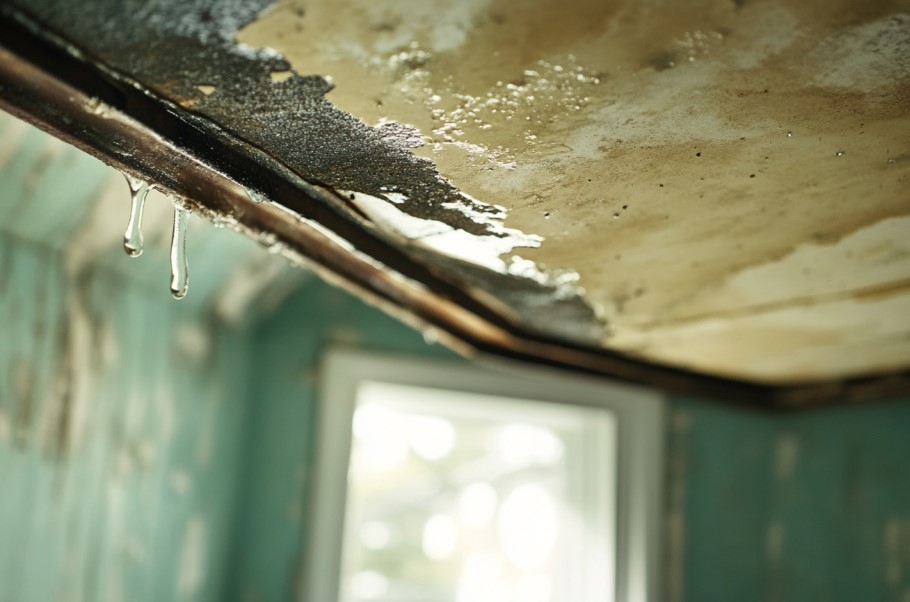
A leaky roof has a way of showing up at the worst possible moment. One minute it’s a steady downpour, the next there’s water dripping onto your floor, your furniture, or worse—your ceiling starting to sag. In heavy rain, panic sets in fast, and most homeowners are left wondering the same thing: how do I stop this now without making things worse?
This guide walks you through practical, emergency steps you can take to slow or stop a roof leak during a storm, explains what actually causes leaks in the first place, and shows you when it’s time to call in professional help before small damage turns into a major repair.
Key Takeaways Before You Climb a Ladder
- Most roof leaks during heavy rain start at flashing, damaged shingles, or clogged drainage points
- Temporary emergency repairs can limit interior damage but are not permanent fixes
- Safety always comes first—some situations are not DIY-friendly
- Acting quickly can prevent mold, insulation damage, and structural issues
- Professional repairs after the storm are essential for long-term protection
Why do roofs start leaking during heavy rain?
What’s really happening when water gets inside?
Heavy rain exposes weak points that have often been developing quietly for months or even years. Shingles loosen, flashing corrodes, sealants dry out, and debris builds up where water should flow freely. When rain falls hard or wind pushes it sideways, water finds those weak spots and takes advantage.
Common causes include aging shingles that no longer seal tightly, cracked flashing around chimneys and vents, nail pops, damaged roof valleys, and clogged gutters that force water back under the roofing system. In many cases, the leak you see inside is only a symptom—the actual entry point may be several feet away.
What should you do first when you notice a roof leak?
How do you limit damage before fixing the roof?
The moment you notice water inside, your priority is damage control. Grab buckets or containers to catch drips and move furniture, electronics, and valuables out of harm’s way. If water is pooling in a ceiling bulge, carefully puncture the lowest point with a screwdriver to release pressure into a bucket—this can prevent a sudden ceiling collapse.
If it’s safe to do so, head into the attic with a flashlight. Look for wet insulation, dripping boards, or dark stains that point toward the leak source. Do not step on wet or sagging areas. This step helps you understand where the problem is without going onto the roof in dangerous conditions.
Can you safely inspect a roof during heavy rain?
When is it too risky to go outside?
In most cases, climbing onto a roof during heavy rain is not safe. Wet shingles are extremely slippery, and wind or lightning increases the risk. Emergency repairs during a storm should be done from inside the home whenever possible.
If the rain eases and conditions are calm, you may be able to visually inspect from the ground using binoculars. Look for missing shingles, visible gaps, lifted edges, or debris buildup. If you cannot clearly see the issue without climbing, it’s best to wait and call a professional once conditions improve.

How can you temporarily stop a roof leak from the inside?
What emergency fixes actually help in the moment?
Interior emergency repairs are often the safest option during a storm. While they won’t permanently solve the problem, they can slow water intrusion and reduce damage.
Here are effective short-term steps homeowners can take:
- Place plastic sheeting or a tarp over the leak area in the attic to redirect water into a bucket
- Use roofing tape or waterproof sealant on visible cracks or seams from inside, if accessible
- Push soaked insulation aside to prevent water from spreading further
- Secure plastic tightly so water flows away from ceilings and walls
These measures buy you time until a full repair can be made after the storm.
Can tarps really stop a roof leak during heavy rain?
How do you use a tarp the right way?
A properly installed tarp can be one of the most effective emergency roof repairs. The key is placement and anchoring. The tarp must extend past the damaged area and be secured under shingles or weighted down to prevent wind from lifting it.
If conditions allow safe access after rain slows, the tarp should cover the leak source and run down the roof slope so water flows over it naturally. Avoid simply laying it flat over the damage—water will find its way underneath if the tarp isn’t secured correctly.
Why do quick fixes often fail after the storm?
What makes temporary repairs unreliable?
Emergency repairs are designed to slow water, not eliminate the problem. Sealants applied in wet conditions may not adhere properly. Tarps can shift or tear. Interior patches don’t address exterior damage.
Once rain stops, trapped moisture can continue damaging decking, insulation, and framing. That’s why leaks that seem “fixed” during a storm often reappear with the next rainfall, sometimes worse than before.
When should you stop DIY repairs and call a professional?
How do you know the leak is beyond a quick fix?
If water continues entering despite temporary measures, or if you see signs of structural damage, it’s time to call for help. Multiple leak points, sagging ceilings, mold odors, or widespread staining indicate a larger issue that requires professional assessment.
Professional roofers can safely inspect the entire system, identify hidden damage, and perform repairs that restore proper drainage and sealing—something emergency fixes simply cannot do.
What happens if a roof leak is ignored after heavy rain?
Why delaying repairs costs more later?
Even a small leak can cause serious damage if left unaddressed. Water weakens wood, ruins insulation, and creates the perfect environment for mold growth. Over time, this can lead to higher energy bills, poor indoor air quality, and costly structural repairs.
Fixing the leak promptly after a storm protects not just your roof, but your entire home.
What questions do homeowners ask most during a roof emergency?
Straight answers when stress is running high
This section clears up the most common concerns homeowners have when dealing with a sudden roof leak.
Is it safe to stay in the house during a roof leak?
In most cases, yes, as long as there is no electrical exposure, ceiling collapse risk, or severe structural damage. If water is near wiring or fixtures, turn off power to affected areas.
Will insurance cover emergency roof repairs?
Many homeowner policies cover sudden storm-related roof damage. Document the leak with photos and keep receipts for emergency materials.
How long can a tarp stay on a roof?
Tarps are temporary solutions and should only remain until proper repairs can be made, ideally within days or weeks depending on conditions.
Does one leak mean the roof is failing?
Not always. Some leaks are localized, but they should still be inspected to ensure no wider damage exists.
How do you protect your home moving forward after a leak?
What’s the best long-term plan?
After the storm, a professional inspection is essential. A roofer can assess shingles, flashing, underlayment, and ventilation to ensure everything is working together properly. Preventive maintenance, like clearing gutters and addressing minor wear early, significantly reduces the risk of future leaks.
Ready to put an end to roof leaks for good?
Who can you trust when rain hits hard?
Roof leaks are stressful, messy, and disruptive—but they don’t have to turn into long-term problems. Acting quickly, staying safe, and following up with professional repairs makes all the difference.
If your home has taken on water during heavy rain, reach out to Roofscape in Atlanta, GA. Their experienced team knows how to handle emergency roof issues and deliver lasting repairs that stand up to Georgia weather. When the rain won’t let up, having the right experts on your side brings peace of mind back under your roof.
Recent Articles

Residential Roofing
How to Repair a TPO Roof: DIY Tips for Flat Roof Fixes
Regular inspection and roof repair are best things to do to extend the life of a TPO roof. When in doubt, a professional assessment costs far less than the water damage that follows a failed repair.
March 27, 2026
.png)
CDX Plywood vs. OSB: What’s Best for Roof Sheathing?
CDX plywood vs. OSB: compare cost, moisture resistance, durability, and performance. Learn which roof sheathing is best for your climate, budget, and long-term roofing needs.
March 26, 2026

Residential Roofing
What Are Roof Scuppers? A Guide to Flat Roof Drainage
Most people have heard of gutters and downspouts. Far fewer have heard of roof scuppers, on a flat roof scuppers might be doing more work to protect your building than any other single component.
March 20, 2026
Rafters vs. Trusses: Which Roof Framing Is Best for Your Build?
Rafters vs. trusses: compare cost, design flexibility, installation speed, and attic space. Learn which roof framing system fits your build, budget, and long-term goals.
March 19, 2026